

In the quickly growing world of custom apparel, organizations and hobbyists alike are constantly seeking practices that offer top quality, resilient results without breaking the bank. Enter Direct to Movie (DTF) transfers—a engineering that's easily gained grip because of its flexibility and superior finish. If you are seeking to raise your product game, understanding dtf is essential. Under, we investigate the absolute most frequently asked issues and critical data surrounding that innovative making method.
What Just are DTF Transfers?
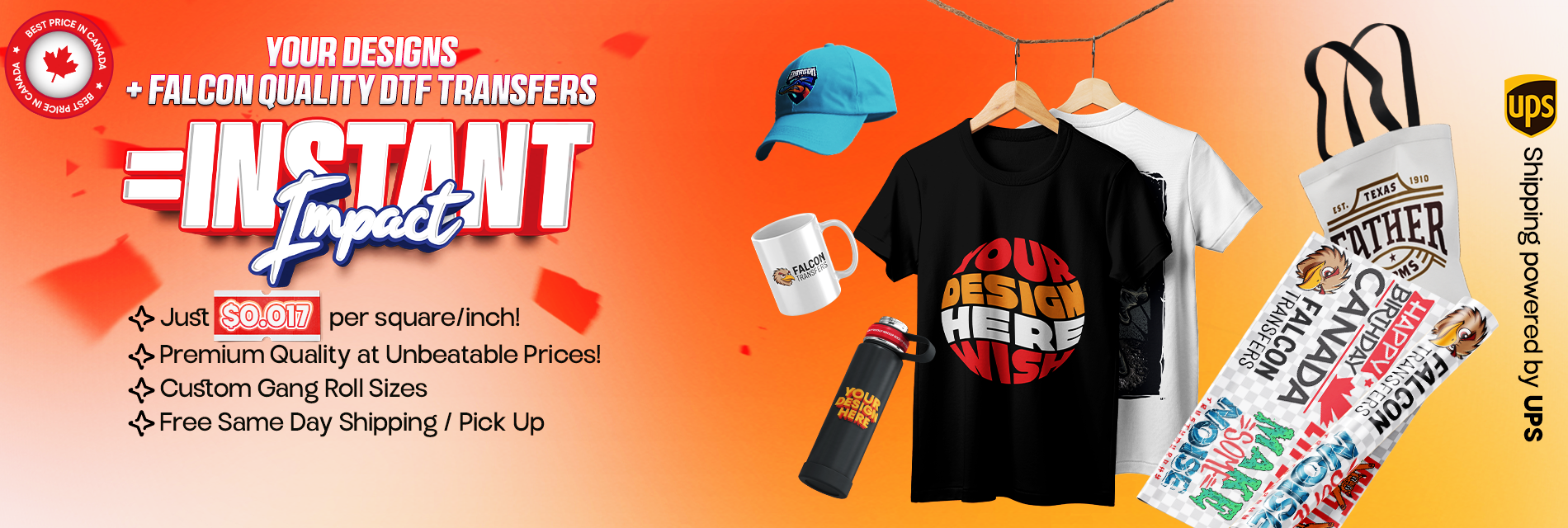
Strong to Film printing requires printing a style onto a particular picture applying water-based inks. A powder glue is then placed on the trunk of the ink whilst it is still wet. Following curing the dust with heat, the design could be shifted onto a dress utilizing a heat press. Unlike Primary to Dress (DTG) printing, which is most effective on cotton, DTF can be placed on a wide selection of materials, including polyester, cotton, cotton, and blends. That mobility is just a key purpose for its skyrocketing acceptance in the custom product sector.
Why are DTF Moves Developing Industry Reveal?
The change towards DTF is pushed by measurable benefits. Recent business analysis shows that the digital textile making industry is estimated to grow somewhat around the next decade, with DTF playing a pivotal role. The principal drivers contain:
• Versatility: Traditional techniques frequently struggle with manufactured fibers. DTF bypasses that restriction, allowing vibrant designs on dark and light polyesters of previously difficult to printing on without coloring migration.
• Toughness: Tests indicate that supreme quality DTF images can endure 50+ rinse cycles without substantial breaking or fading, creating them similar to, and sometimes better than, conventional monitor printing.
• Cost-Effectiveness for Small Runs: For small to medium steps, the startup expenses are little compared to monitor printing, which involves using screens for each and every color.
How Does the Quality Evaluate to Screen Making?
That is perhaps the most typical issue for anyone moving from conventional methods. While screen making remains the gold standard for enormous bulk orders because pace once setup, DTF offers a hand sense that is surprisingly soft and thin. The "plastic" sense associated with older temperature transfer vinyls is basically missing in modern DTF applications. More over, DTF permits photo-realistic gradients and fine facts that can be complicated or excessively expensive to reach with monitor printing installations that require numerous monitors for each and every shade variation.
Is Pre-Treatment Required?
One of the most significant mathematical features of DTF over DTG could be the removal of the pre-treatment phase. In DTG making, dark outfits require a compound pre-treatment spray to ensure the white underbase ties correctly. This step gives time, labor, and chemical fees to production. DTF eliminates that entirely. The glue dust works because the bonding agent, streamlining the workflow and reducing creation time by approximately 20-30% per product in comparison to DTG workflows that require pre-treatment.
What Equipment is Had a need to Start?
For corporations seeking to follow this technology, the buffer to access is relatively low. The fundamental workflow involves a passionate DTF printer, specific inks, DTF movie, glue dust, a curing stove (or temperature weapon for little batches), and a temperature press. Many small corporations outsource the printing of the moves and only handle the heat demanding in-house. That "print-on-demand" model for moves allows product creators to put on zero stock of completed garments, lowering cost chance significantly.
The Potential of Custom Product
As client demand for individualized and niche product grows, systems offering pace and mobility can continue steadily to dominate. DTF transfers link the difference involving the easy digital making and the longevity of old-fashioned methods. Whether you are launching a fresh apparel brand or creating outfits for a corporate event, leveraging DTF engineering guarantees your products look qualified and stand the check of time.